Protect Your Home from Costly Winter Water Damage
As the crisp autumn air gives way to the freezing temperatures of a Washington winter, homeowners face a recurring threat: frozen and burst pipes. The cold weather can exert immense pressure on your home’s plumbing system, leading to catastrophic water damage, costly repairs, and significant disruption. Understanding the risks and taking proactive steps to winterize your plumbing is not just a seasonal chore—it’s an essential measure to protect your property’s integrity and value. This guide will walk you through the common dangers, practical prevention tips, and what to do if you suspect a problem, ensuring you stay warm and dry all season long.
Understanding Common Winter Plumbing Risks
When water freezes, it expands by about 9 percent. This expansion puts tremendous pressure on whatever is containing it, including metal or plastic pipes. In a home’s plumbing system, this pressure can easily cause a pipe to rupture. The most vulnerable pipes are those located in unheated areas where they are exposed to the coldest temperatures, such as:
- Pipes in attics, crawl spaces, and basements.
- Pipes located along exterior walls with little or no insulation.
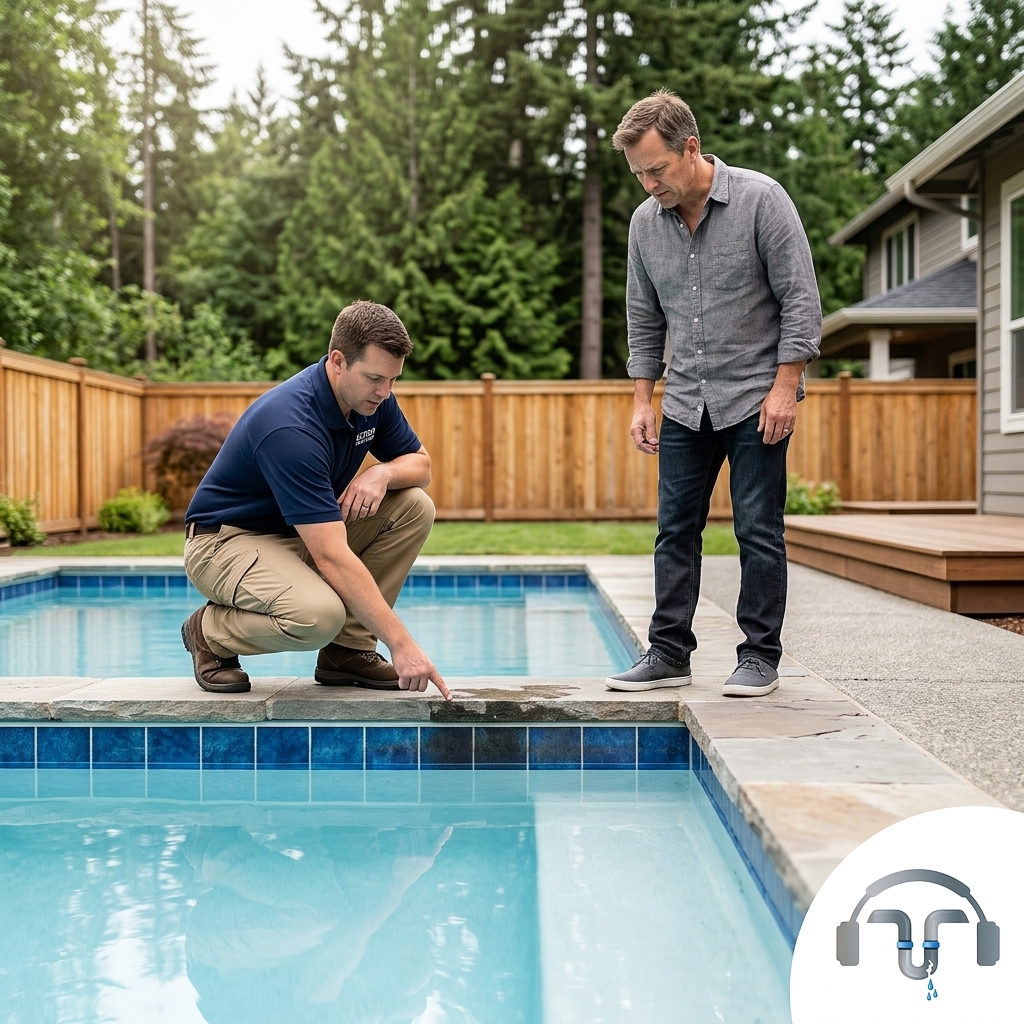
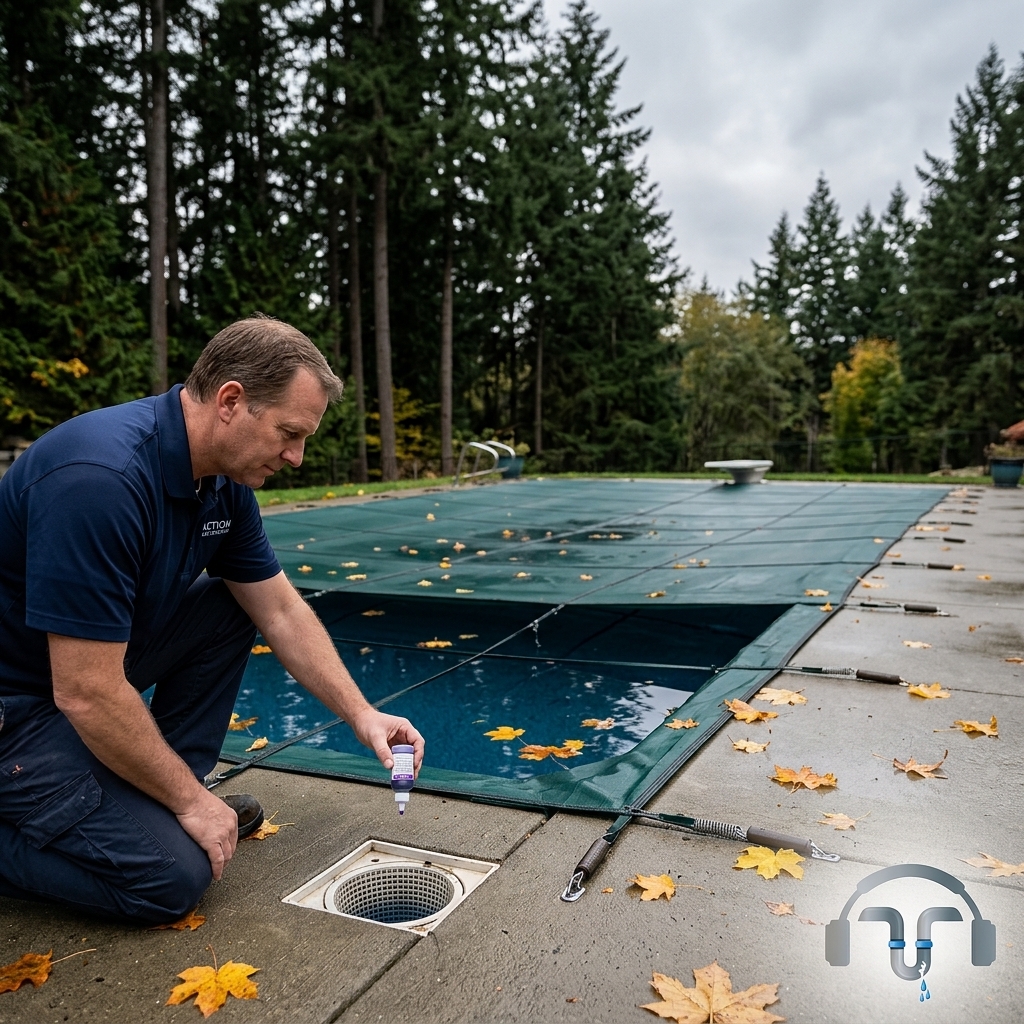
- Outdoor plumbing, including hose bibs, swimming pool supply lines, and sprinkler systems.
- Pipes in vacation homes or cabins that are left unheated during the winter.
A burst pipe can release hundreds of gallons of water per hour, causing extensive damage to flooring, drywall, electrical systems, and personal belongings. The issue is often compounded because the break may not be discovered until the pipe thaws and water begins to flow freely. This is why prevention is paramount.
Practical Steps to Winterize Your Plumbing
You can significantly reduce the risk of frozen pipes by taking a few key preventative measures before the first hard freeze.
1. Insulate Exposed Pipes
The most effective way to prevent freezing is to insulate pipes in your home’s unheated areas. Use pipe sleeves, heat tape, or heat cable on any exposed water lines in your crawl space, attic, basement, and garage. Focus on both hot and cold water lines, as both are susceptible to freezing.
2. Seal Air Leaks
Cold air infiltration can turn a chilly space into a freezing one. Carefully inspect your home for air leaks around dryer vents, electrical wiring, and pipes. Use caulk or insulation to seal these gaps and prevent cold air from reaching your plumbing.
3. Protect Outdoor Plumbing
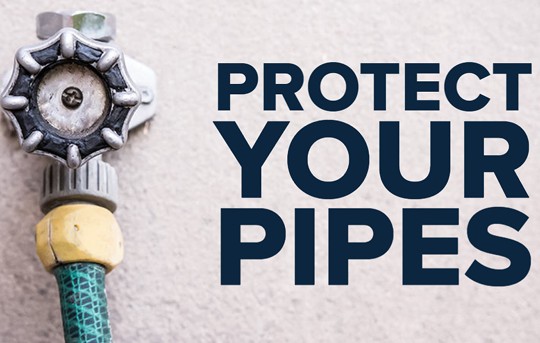
Disconnect, drain, and store all garden hoses. Close any inside valves that supply water to outdoor hose bibs, then open the outside spigots to drain any remaining water. Consider using an insulated faucet cover for added protection throughout the winter.
4. Maintain a Consistent Indoor Temperature
Keep your thermostat set to a consistent temperature, even when you’re away from home or asleep. It’s recommended to maintain a temperature of at least 55°F (13°C). The slightly higher heating bill is minimal compared to the cost of repairing a burst pipe. For pipes in cabinets, like under sinks, open the cabinet doors to allow warmer air to circulate around the plumbing.
The Critical Role of Early Leak Detection
Even a small, unnoticed drip can lead to a major disaster during a freeze. A tiny leak in a pipe can create a small ice dam, which then expands and puts immense pressure on the pipe, causing a burst. This is where professional hidden water leak detection becomes invaluable. Before winter sets in, having your system checked can identify pre-existing vulnerabilities.
At Action Leak Detection, we use advanced, non-invasive technologies like acoustic leak detection, which listens for the specific sound frequencies of water escaping a pipe, and infrared leak detection to spot temperature anomalies that indicate hidden moisture. By pinpointing these issues early, we can help you prevent a winter catastrophe without tearing up your property. Identifying these water leak signs before a freeze is the best defense against severe damage.
Emergency Response: What to Do if a Pipe Freezes or Bursts
If you suspect a pipe has frozen or has already burst, quick action is crucial to minimize damage.
If a Pipe Freezes (but hasn’t burst):
- Keep the Faucet Open: As you begin to thaw the pipe, a trickle of running water will help melt the ice.
- Apply Gentle Heat: Use a hairdryer, heating pad, or towels soaked in hot water to gently warm the frozen section of the pipe. Never use a blowtorch or open flame, as this can damage the pipe and create a fire hazard.
- Call a Professional: If you can’t locate the frozen area or are unable to thaw it, call a professional for help.
If a Pipe Bursts:
- Shut Off the Main Water Supply: Your main water shut-off valve is likely located in your basement, crawl space, or near your water meter. Every homeowner should know its location.
- Turn Off Electricity: If water is spraying near electrical outlets or appliances, shut off the electricity to the affected area at the breaker box to prevent electrocution.
- Contact a Professional Immediately: Call for emergency leak detection services. Professionals can quickly locate the break—even if it’s underground or a concrete slab leak—and advise on the next steps for repair.
Did You Know?
A tiny 1/8-inch crack in a pipe can leak up to 250 gallons of water in a single day. This highlights the importance of not just winterization, but also year-round vigilance for any signs of a leak. Catching a small issue early can save thousands in repair costs and prevent irreversible water damage to your home’s foundation and structure.
The Local Angle: Winter Plumbing Care in Washington
Homeowners across Washington, from Bellingham and Mount Vernon to Everett and the islands like Whidbey Island, face unique challenges. Our region’s fluctuating temperatures, with frequent freeze-thaw cycles, put extra stress on plumbing systems. This inconsistent weather can weaken pipe joints and materials over time, making older homes particularly vulnerable. Furthermore, many properties in Whatcom, Skagit, and Snohomish counties have extensive outdoor plumbing for irrigation or rely on private water lines that need specialized attention. Proactive maintenance and professional inspections are your best strategy against the specific climate challenges we face in the Pacific Northwest.
Protect Your Property This Winter
Don’t wait for a freeze to find out you have a plumbing problem. Be proactive and ensure your home is prepared. Action Leak Detection offers expert, non-invasive services to identify hidden issues before they become emergencies.
Frequently Asked Questions (FAQ)
How can I tell if a pipe is frozen?
The most common sign of a frozen pipe is a significant drop in water pressure or no water at all coming from a faucet. You might also see frost or condensation on the outside of the pipe. If you suspect a freeze, it’s crucial to act quickly to prevent a burst.
Is it a good idea to let faucets drip during freezing weather?
Yes, allowing a faucet to drip slowly can help prevent pipes from freezing. The constant movement of water through the pipe makes it much harder for ice to form. It’s a simple, effective measure, especially during a severe cold snap.
My home is built on a concrete slab. Are my pipes safe?
Pipes located within or beneath a concrete slab are still at risk, especially around the exterior edges of the foundation where cold can penetrate. A slab leak can be particularly damaging and difficult to detect without professional equipment. If you notice warm spots on the floor, hear running water, or see an unexplained increase in your water bill, you may have a slab leak.
What is non-invasive leak detection?
Non-invasive leak detection refers to a set of advanced techniques used to locate leaks without causing damage to your property. Methods like acoustic listening devices, infrared thermography, and tracer gas allow specialists to pinpoint the exact location of a leak behind walls, under floors, or deep underground, avoiding unnecessary and costly excavation or demolition.