Introduction: The High Stakes of Undetected Irrigation Leaks
Underground irrigation systems are the backbone of modern agriculture, yet leaks within these systems often remain hidden until the damage is already done. Unlike surface irrigation issues, underground leaks can quietly waste thousands of gallons of water, reduce system pressure, increase pumping costs, and stress crops long before any visible signs appear. For farms, vineyards, and orchards operating on tight margins, early detection can mean the difference between a successful season and significant losses.
The following real-world case examples illustrate how early, professional leak detection protected water resources, preserved crop health, and saved agricultural operations substantial time and money.
Why Case Studies Matter in Agriculture
Agricultural decision-making is driven by risk management and return on investment. Growers want proven solutions, not theory. Leak detection is often perceived as a reactive service—something to consider only after a failure becomes obvious. These case studies demonstrate how proactive and timely leak detection serves as a preventative strategy that protects yields, infrastructure, and profitability.
Case Study #1: Vineyard Prevents Crop Stress Before Harvest
Scenario:
A large vineyard relied on an underground drip irrigation system supplying multiple zones. During a routine system check, the grower noticed a subtle pressure drop in one zone, yet no standing water or surface damage was visible.
Problem:
A small underground leak was reducing water delivery to a portion of the vineyard. Left unaddressed, the issue would have caused uneven vine stress just weeks before harvest—when consistency is critical for grape quality.
Solution:
Professional acoustic leak detection was used to locate the leak precisely beneath the vine rows, without unnecessary trenching or disturbance to the plants.
Outcome:
– Leak repaired within hours – Uniform irrigation restored before harvest – Crop quality protected – Significant water savings during peak irrigation season
Case Study #2: Row Crop Farm Stops Major Water Loss Mid-Season
Scenario:
A row crop farm operating a high-volume underground irrigation system noticed pumps running longer than usual to meet watering schedules. Despite the increased runtime, field coverage appeared inconsistent.
Problem:
An underground mainline leak was wasting thousands of gallons per day, increasing energy costs and reducing system efficiency across multiple irrigation zones.
Solution:
Using flow data provided by the farm’s monitoring equipment, a professional leak detection survey pinpointed the exact location of the leak beneath compacted soil.
Outcome:
– Minimal excavation required – Pump runtime reduced – Energy costs lowered – Improved water distribution throughout the field
Case Study #3: Orchard Avoids Long-Term Soil and Root Damage
Scenario:
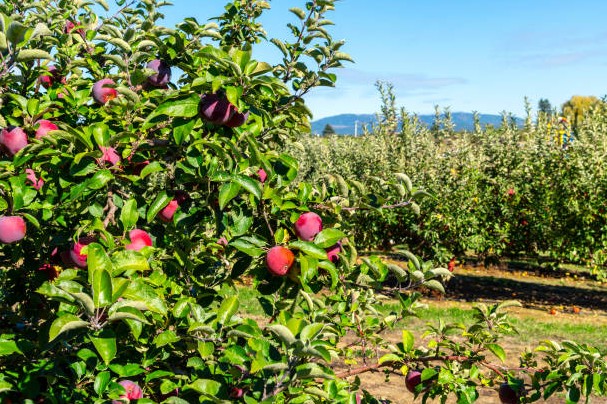
An established orchard began experiencing localized soil softening near several tree rows, though no obvious water pooling was visible.
Problem:
A slow, underground leak was saturating the root zone, increasing the risk of root disease, soil instability, and long-term tree decline.
Solution:
Non-invasive leak detection located the issue quickly, allowing for a targeted repair that avoided damage to mature trees and surrounding infrastructure.
Outcome:
– Soil conditions stabilized – Tree health preserved – Avoided costly tree loss or replanting
Common Patterns Across Agricultural Leak Cases
Across agricultural operations of all sizes, several consistent patterns emerge: – Underground leaks are often detected indirectly through pressure changes, moisture inconsistencies, or pump behavior – The earlier a leak is identified, the smaller and less expensive the repair – Guesswork and exploratory digging significantly increase downtime and crop disruption
The Cost of Waiting: What These Farms Avoided
Delaying leak detection can lead to: – Excessive water waste – Increased energy and pumping expenses – Reduced crop yield and quality – Soil erosion or root damage – Emergency repairs during peak irrigation periods
Early leak detection helps agricultural operations avoid these cascading costs while protecting long-term system performance.
When Agricultural Operations Should Consider Leak Detection
Leak detection is most effective when used proactively. Agricultural operations should consider scheduling professional leak detection: – Before peak irrigation season – After freeze–thaw cycles – When sensor data or flow readings appear abnormal – If irrigation zones show inconsistent performance – As part of a routine system audit
Why Professional Leak Detection Makes the Difference
While sensors and monitoring systems can indicate that something is wrong, they rarely reveal exactly where the problem is. Professional leak detection uses specialized equipment and expertise to pinpoint leaks accurately, minimizing excavation, protecting crops, and speeding repairs.
Conclusion: Real Results Start With Early Action
These case studies demonstrate a clear truth: early leak detection protects water resources, preserves crop health, and safeguards profitability. Underground irrigation systems represent a major investment, and proactive leak detection is one of the most effective ways to ensure they continue to perform reliably season after season.