Protect Your Property: Spotting Hidden Leaks Before They Cause Major Damage
An underground water leak can be a silent menace, slowly causing foundation damage, landscape erosion, and shocking spikes in your water bill. Before you see pooling water or major cracks, the damage has often already begun. Fortunately, as a homeowner, you have the power to be your property’s first line of defense. There are several simple, at-home tests you can perform to determine if you have a hidden leak. These DIY checks can empower you to take action early, potentially saving you thousands in repair costs. This guide will walk you through practical steps to identify a potential underground water leak detection issue on your Washington property.
Why Early Leak Detection is Crucial
Ignoring the subtle signs of a water leak can lead to catastrophic consequences. Unchecked moisture can compromise your home’s structural integrity, particularly if the leak is beneath a concrete slab. It can also lead to hazardous mold growth behind walls and create sinkholes in your yard. Beyond the physical damage, the financial strain from a continuously running water line is significant. By catching a leak early, you not only protect your investment but also conserve a vital natural resource.
The goal of these DIY tests is not to pinpoint the exact location of the leak—that requires specialized equipment—but to confirm its existence. Knowing you have a problem is the most critical first step.
Your At-Home Leak Detection Toolkit: 4 Simple Tests
1. The Water Meter Test
This is the most reliable DIY method to confirm an active leak in your plumbing system. It’s simple, effective, and requires no special tools. Follow these steps:
- Cease All Water Use: Ensure no water is running inside or outside your home. Turn off all faucets, showers, washing machines, dishwashers, and sprinkler systems.
- Locate Your Water Meter: Your meter is typically located in a concrete box near the curb or street, marked “Water.” Carefully remove the lid.
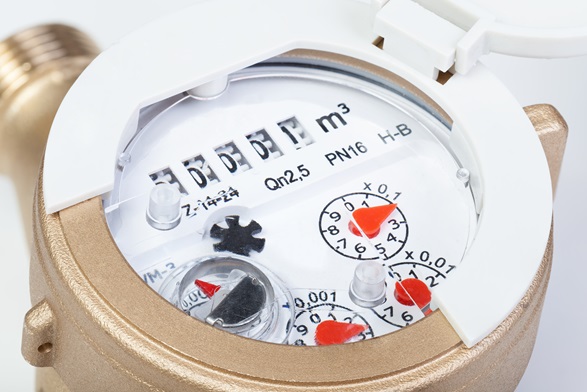
- Check the Leak Indicator: Most modern meters have a small triangle, star, or gear-shaped dial known as the leak indicator. If this dial is spinning, even slowly, you likely have a leak.
- Record the Reading: If your meter doesn’t have a leak indicator, write down the numbers on the dial. Wait for at least one to two hours without using any water, then check the reading again. If the numbers have changed, water is flowing somewhere on your property.
2. Visually Inspect Your Property
Walk around your property and look for tell-tale signs of excess underground moisture. These visual cues are often the first indication that something is wrong.
- Unusually Green or Lush Patches: A leak in your main water line or irrigation system can act as a constant fertilizer for a specific spot in your lawn. If one area is significantly greener and growing faster than the rest, investigate further. This could be a sign you need a professional irrigation leak detection service.
- Soft, Spongy, or Puddled Ground: If you notice areas in your yard that are constantly wet or mushy, even without recent rain, an underground pipe may be broken.
- Cracks in Your Foundation or Driveway: Persistent water pressure from an underground leak can shift soil and put stress on hardscapes, leading to new cracks. If you notice these, it could point to a serious issue, such as a concrete slab leak.
3. Listen for the Sounds of Running Water
When your house is completely quiet (try this at night), listen carefully. Sometimes, you can hear the faint sound of hissing or running water inside your walls or beneath your floor. This is a strong indicator of an interior or slab leak that requires immediate attention.
4. Monitor Your Water Bill
A sudden, unexplained increase in your water bill is often the first red flag for homeowners. Compare your recent bills to those from the same period in previous years. If your usage habits haven’t changed but your bill has skyrocketed, a leak is a very likely culprit.
The Washington Angle: Local Factors Affecting Your Pipes
Here in Washington, from Everett to Bellingham, our unique environment presents specific challenges for underground pipes. The heavy rainfall and shifting, saturated soils in Whatcom, Skagit, and Snohomish counties can put immense pressure on water lines. Furthermore, the numerous trees and expansive root systems in our region are a primary cause of pipe intrusion and damage. Being aware of these local factors makes early detection even more important for Pacific Northwest homeowners.
When DIY Isn’t Enough: Calling in the Professionals
If your tests indicate a leak, the next step is to call a professional. DIY methods can confirm a problem, but they can’t find its exact source. Plunging a shovel into the ground is a recipe for expensive, unnecessary damage. At Action Leak Detection, we use sophisticated, non-invasive leak detection technologies to pinpoint the precise location of the leak without destructive digging. Our technicians utilize advanced methods like acoustic listening devices, tracer gas, and infrared thermal imaging to find the source of the problem quickly and accurately, whether you’re on Whidbey Island, in Mount Vernon, or anywhere in between.
Attempting to fix an underground leak yourself can lead to bigger, more costly problems. Professional services ensure the issue is resolved correctly, protecting your property’s integrity and value.
Suspect a Leak? Don’t Wait.
Early action is key to minimizing damage and cost. If your DIY tests point to a leak, let our experts find it with precision and care.
Frequently Asked Questions (FAQ)
How accurate is the water meter test for detecting leaks?
The water meter test is extremely accurate for confirming if there is unwanted water flow on your property. If the meter moves when all water sources are off, it definitively indicates a leak. However, it cannot tell you the location or severity of the leak.
Can tree roots really cause underground water leaks?
Absolutely. Tree roots are naturally drawn to the moisture and nutrients found in water lines. They can invade small cracks in pipes and, as they grow, expand to break the pipe apart, causing significant leaks over time. This is a common issue in heavily treed areas across Washington.
What are the most common signs of a concrete slab leak?
Besides cracks in the foundation, common signs of a slab leak include hot spots on your floor, the sound of running water when nothing is on, damp carpets or warped flooring, and a sudden increase in your water or heating bill. Early professional detection is vital to prevent severe structural damage.
How does professional non-invasive leak detection work?
Professionals use several advanced technologies. Acoustic leak detection involves using highly sensitive microphones to listen for the specific sound frequencies of water escaping a pipe. Tracer gas involves injecting a safe, non-toxic gas into the pipe system and using a “sniffer” to detect where it surfaces, pinpointing the leak’s location.
Glossary of Terms
Acoustic Leak Detection
A non-invasive method that uses sensitive listening equipment to hear the sound of water escaping from a pressurized pipe, allowing technicians to locate leaks with high accuracy.
Slab Leak
A water leak that occurs in the plumbing lines located beneath the concrete foundation or “slab” of a home. These are particularly dangerous as they can undermine the home’s structural integrity.
Tracer Gas
A safe, inert gas (typically a hydrogen/nitrogen mix) that is introduced into a drained pipe. The gas escapes through the leak and rises to the surface, where it is detected by a sensitive probe to mark the exact leak location.
Water Line Locating
The process of identifying the path and depth of underground water pipes using electronic equipment. This is crucial before any digging project to prevent accidental damage. Action Leak Detection offers private water line locating services for this purpose.