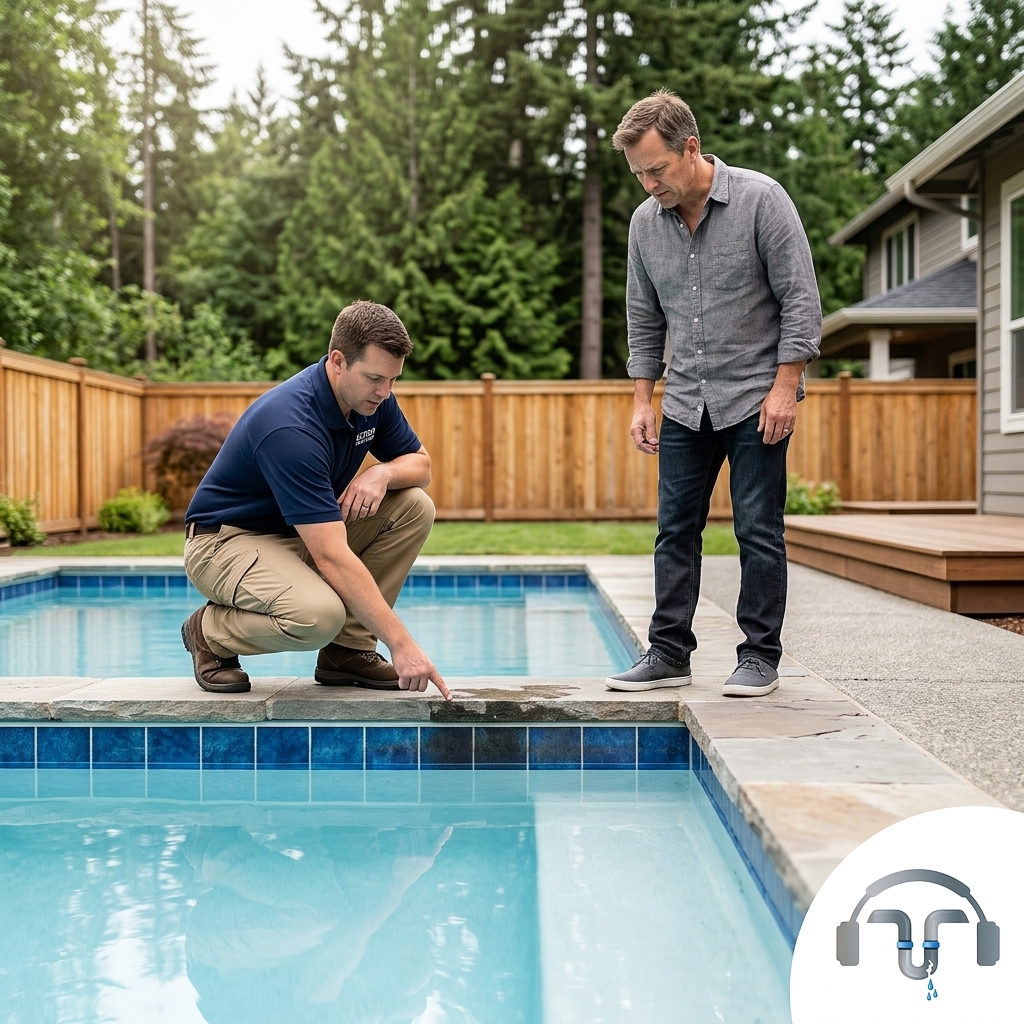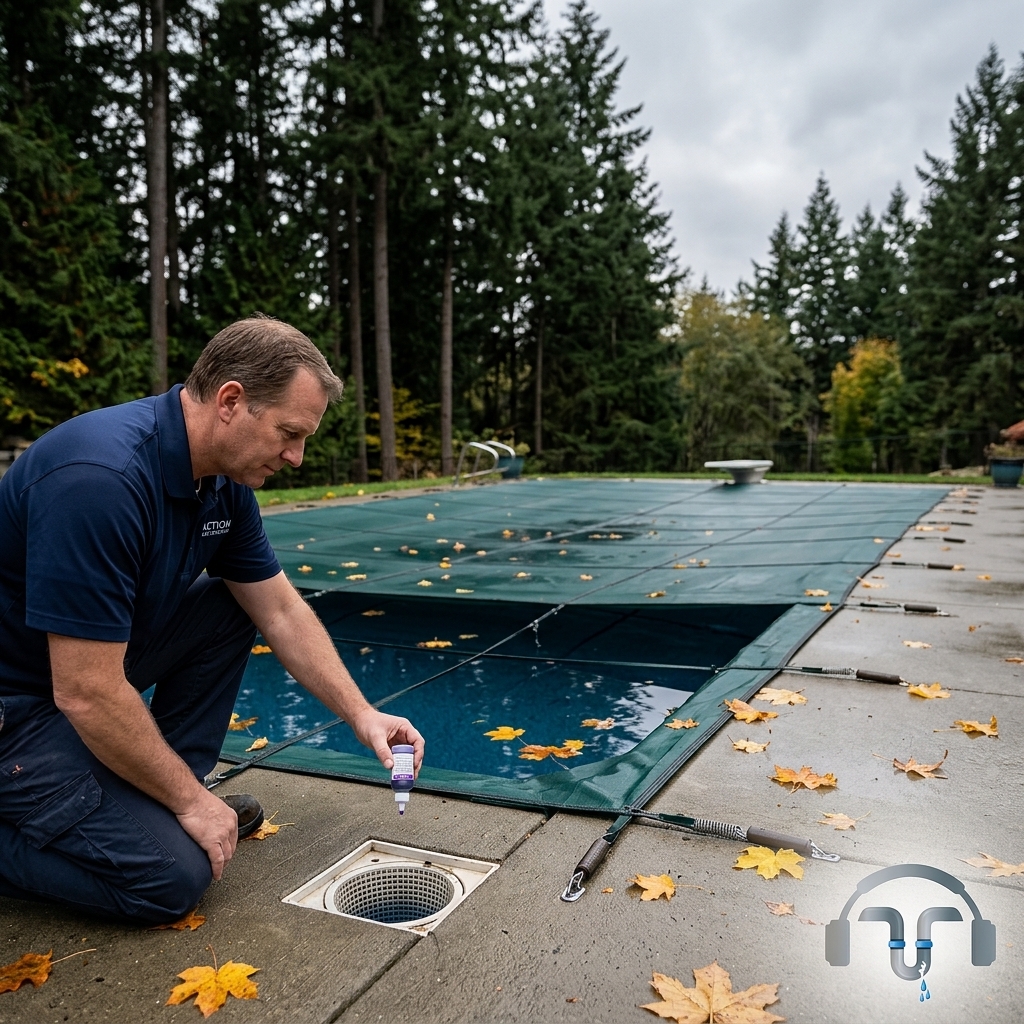
- Protecting Your Washington Property from Hidden, Below-Ground Threats
- The Double Threat
- Know the Warning Signs of an Underground Leak
- Did You Know?
- The Modern Solution
- Local Expertise for Snohomish & Skagit County
- Suspect a Leak? Don’t Wait for Damage to Escalate.
- Frequently Asked Questions
- Glossary of Terms
Protecting Your Washington Property from Hidden, Below-Ground Threats
Homeowners across Washington are no strangers to the unique challenges of our environment. But two powerful, converging forces—our region’s changing climate and its aging infrastructure—are creating a new, often invisible, threat right beneath our feet. More extreme weather patterns are putting unprecedented stress on water lines that are, in many cases, decades old. For residents of Skagit and Snohomish counties, this means the risk of costly and destructive underground water leaks is higher than ever. Understanding these risks is the first step toward protecting your most valuable asset: your home.
The Double Threat: Extreme Weather Meets Aging Pipes
Climate’s Impact on Our Soil
The Pacific Northwest’s climate is shifting. King County, for instance, has already observed more heavy rain events and projects that our heaviest downpours could be 22% more intense by the 2080s. These torrential rains saturate the soil, making it heavy and putting immense pressure on buried pipes. Conversely, prolonged dry spells and droughts, which are also becoming more common, cause soil to shrink, dry out, and shift. This constant cycle of expansion and contraction puts enormous stress on water lines, leading to cracks, joint separation, and eventual leaks that can go undetected for months.
An Infrastructure Under Strain
Much of the water infrastructure in the United States is impressively old. Across the country, the average water network pipe is 45 years old, with many nearing the end of their expected lifespan. In many established neighborhoods in Snohomish and Skagit counties, the pipes supplying homes are made of materials susceptible to corrosion and wear. When you combine this natural aging process with the external pressures from shifting, saturated, or contracting soil, you have a perfect recipe for failure. These hidden water leaks are not just a possibility; they are an increasing inevitability.
Know the Warning Signs of an Underground Leak
An underground leak might be out of sight, but it’s rarely without symptoms. Being vigilant for these signs can save you from catastrophic damage and expensive repairs. If you notice any of the following, it’s time to investigate further.
A Sudden Spike in Your Water Bill
If your water usage habits haven’t changed but your bill has shot up, this is one of the most reliable indicators of a leak somewhere in your system. A quick check of your water meter can confirm this; if it’s still running when all water is turned off, you likely have a leak.
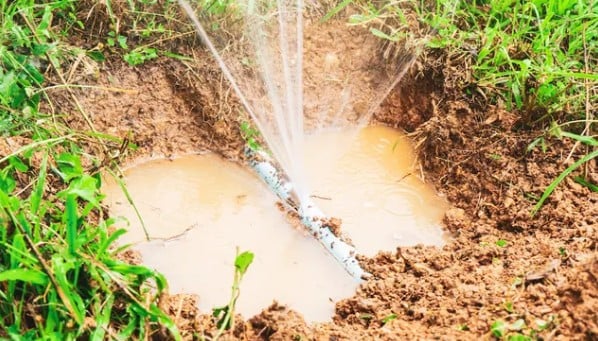
Unexplained Wet or Lush Patches in Your Yard
Is there a swampy area in your lawn that never seems to dry out, or a patch of grass that’s surprisingly green and lush compared to the rest? This is a classic sign that an underground pipe is providing a constant supply of water from below.
Cracks in Your Foundation or Pavement
Water from a leak can erode the soil supporting your home’s foundation, driveway, or walkways. This loss of support can lead to visible cracks, sinking, or heaving. This is particularly concerning as it relates to concrete slab leaks, which can compromise the structural integrity of your home.
A Drop in Water Pressure
If the water flowing from your faucets and showerheads seems weaker than usual, it could mean that water is escaping from a breach in the main line before it even reaches your house.
The Sound of Running Water
Can you hear hissing or running water when no taps are on? This phantom sound often points to a pressurized leak in your plumbing system.
Did You Know?
Nationwide, household leaks can waste more than 1 trillion gallons of water annually. That’s equivalent to the yearly household water use of over 11 million homes. A single, tiny leak the thickness of a dime in an irrigation system can waste about 6,300 gallons of water per month.
The Modern Solution: Non-Invasive Leak Detection
In the past, finding an underground leak meant destructive and costly excavation. Today, Action Leak Detection utilizes advanced technology to pinpoint the exact source of a leak without turning your property into a construction zone. This approach to non-invasive leak detection saves time, money, and landscaping.
Our specialists use a combination of cutting-edge tools:
- Acoustic Leak Detection: Highly sensitive microphones listen for the distinct sounds water makes when escaping a pressurized pipe, allowing us to hear leaks buried deep underground.
- Infrared Thermography: Leaks can cause subtle temperature changes in the ground or behind walls. Our infrared cameras create a visual map of these temperature differences, revealing the path of hidden moisture.
- Tracer Gas Detection: A safe, non-toxic gas (typically a hydrogen/nitrogen mix) is introduced into the pipe. The gas is lighter than air and escapes at the leak point, where our specialized sensors detect it on the surface. We proudly offer tracer gas leak detection for even the most difficult-to-find leaks.
- Ground-Penetrating Radar (GPR): This technology sends radio waves into the ground to create an image of what lies beneath, identifying disturbed soil and voids caused by escaping water.
Local Expertise for Snohomish & Skagit County
Living and working in Washington gives us firsthand knowledge of the specific challenges our local geology and weather present. For homeowners in need of professional water leak detection in Snohomish County, our team is equipped to handle the unique soil compositions and infrastructure common to the area. From older homes in Everett to newer developments, we understand where problems are most likely to occur. Our commitment to providing precise underground leak detection in Snohomish County and Skagit County means you get a local expert who responds quickly and effectively, minimizing damage to your property. If you’re in Mount Vernon and suspect an issue, our dedicated water leak detection services are just a call away.
Suspect a Leak? Don’t Wait for Damage to Escalate.
A hidden water leak can cause thousands of dollars in damage. Taking prompt action is the key to protecting your property and your peace of mind.
Frequently Asked Questions
How does climate change actually cause pipe leaks?
Climate change contributes to more extreme weather. Heavy rains oversaturate the ground, increasing its weight and pressure on pipes. Droughts cause the soil to shrink and become compact, which can make pipes shift, crack, or settle unevenly. This cyclical stress weakens pipes over time.
What is “non-invasive” leak detection?
Non-invasive leak detection uses advanced technologies like acoustics, infrared, and tracer gas to locate leaks from the surface without requiring destructive digging or excavation. This allows for precise identification of the problem, saving you money on restoration costs.
How quickly can you find a leak on my property in Snohomish County?
We offer 24/7 emergency services. Once on-site, our experienced technicians can often locate the source of a leak within a few hours using our specialized equipment. The exact time depends on the complexity and location of the leak.
Is the cost of leak detection covered by my homeowner’s insurance?
Coverage can vary significantly between policies. Generally, insurance covers damage from sudden and accidental leaks, but may not cover issues from long-term neglect. We provide detailed documentation of our findings to assist with your insurance claim and can offer insights based on our experience with policies in Washington State. For more information, please see our page on plumbing leak detection services.
Why should I call a leak detection specialist instead of a regular plumber?
While plumbers are excellent for repairs, leak detection is a specialized field requiring expensive, dedicated equipment and extensive training. We focus solely on finding the precise location of leaks without destruction, which a general plumber may not be equipped to do. This saves time and money on the overall repair process.
Glossary of Terms
Acoustic Leak Detection: The process of using highly sensitive listening devices to detect the specific sound frequencies created by water escaping from a pressurized pipe.
Infrared Thermography: A technology that uses a thermal camera to detect temperature variations on surfaces. Leaking water can create cool spots, which the camera makes visible.
Tracer Gas: A safe, inert gas (like a hydrogen/nitrogen mix) that is injected into a water pipe. The small gas molecules escape through the leak and rise to the surface, where they are detected by a sensor.
Ground-Penetrating Radar (GPR): An instrument that uses radar pulses to create an image of the subsurface. It can identify disturbed soil, voids, and buried utilities without digging.
Slab Leak: A water leak that occurs in the plumbing lines located beneath the concrete foundation (or “slab”) of a building.