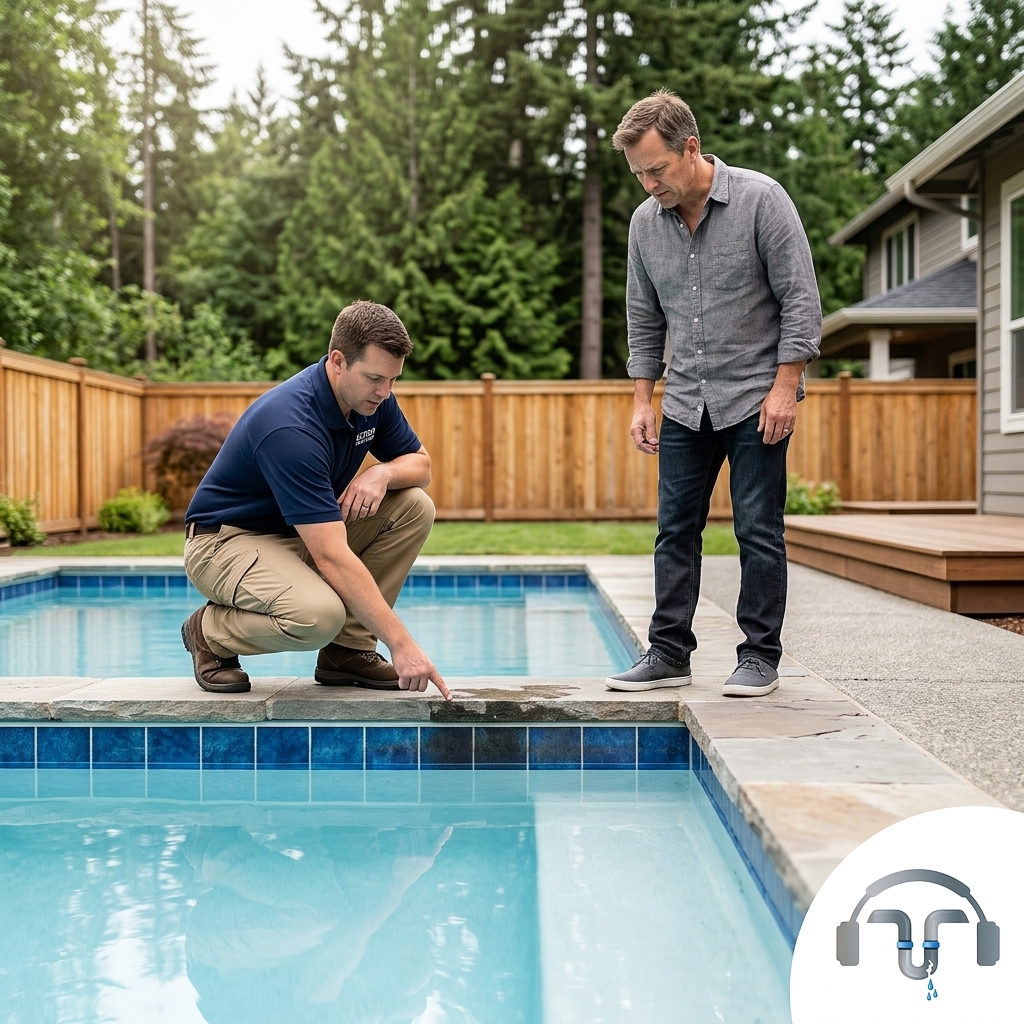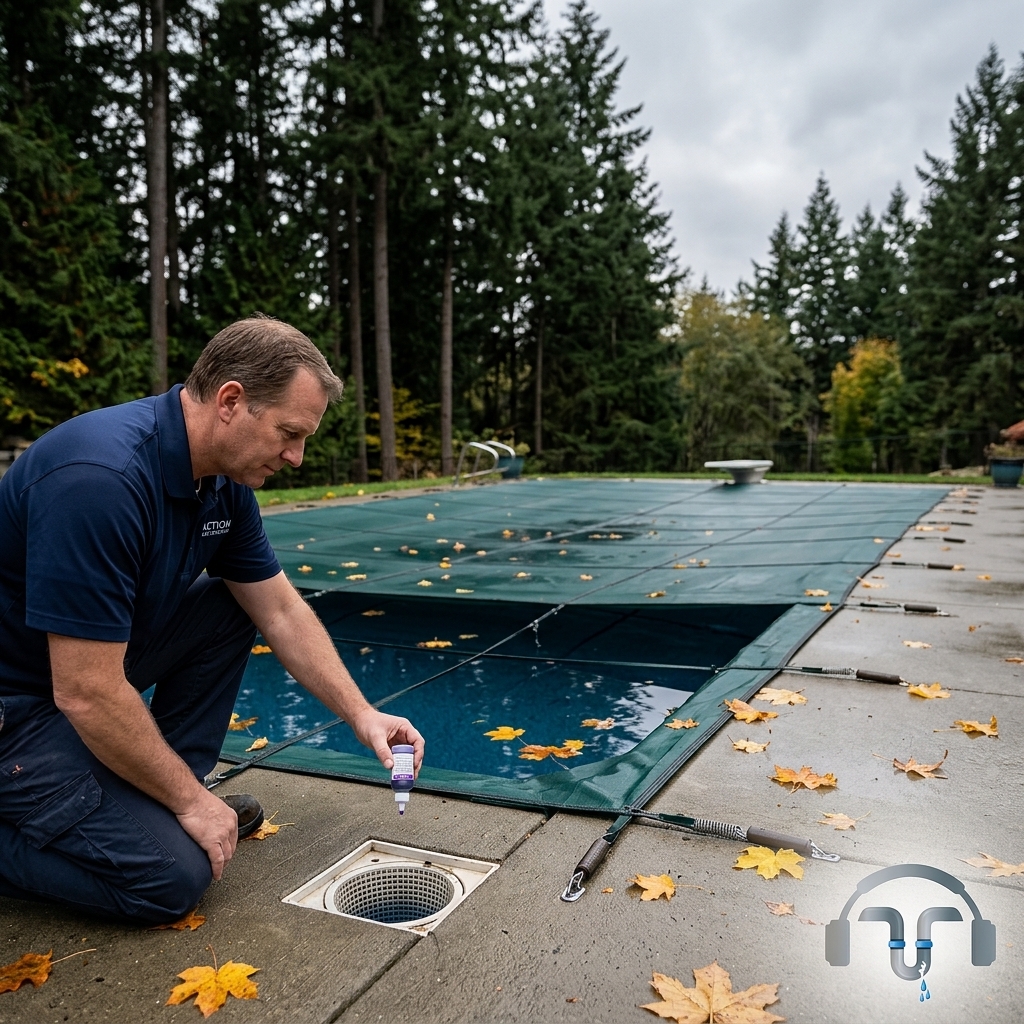
Hidden water leaks are one of the most common — and expensive — problems homeowners face in King County, Washington. Because many leaks occur underground or behind walls, they can go unnoticed for weeks or even months before serious damage becomes visible.
From rising utility bills to foundation damage, hidden leaks can cause thousands of dollars in repairs if they are not detected early.
In this guide, we’ll explain how hidden leaks develop, the warning signs to watch for, and how modern leak detection technology helps locate leaks without destructive digging or demolition.
What Is a Hidden Water Leak?
A hidden water leak occurs when water escapes from a pipe or plumbing system in a place that is not immediately visible.
These leaks commonly occur in:
• Underground water service lines
• Beneath concrete slabs
• Behind walls
• Under landscaping or irrigation systems
• Inside ceilings or crawl spaces
Because they are out of sight, homeowners often notice the effects of the leak long before they discover the actual source.
In areas like Seattle and the surrounding communities in King County, hidden leaks can remain undetected even longer due to heavy rainfall and naturally moist soil conditions.
12 Warning Signs of a Hidden Water Leak
Hidden leaks often leave subtle clues throughout a home or property. If you notice any of the following signs, it may indicate a plumbing leak somewhere in your system.
Rising Water Bills
An unexplained increase in your water bill is one of the most common indicators of a hidden leak.
Wet Spots in the Yard
If sections of your yard remain unusually wet or green even during dry weather, an underground water line leak may be the cause.
Low Water Pressure
A sudden drop in water pressure can signal that water is escaping somewhere along the plumbing system.
Mold or Mildew Smells
Persistent musty odors often indicate moisture buildup from a hidden leak behind walls or floors.
Warm Spots on Floors
Hot water line leaks beneath slab foundations sometimes create warm spots on flooring surfaces.
Cracks in Walls or Foundations
Continuous moisture beneath a foundation can weaken soil and create structural shifting.
Sounds of Running Water
If you hear water running when no fixtures are on, there may be a hidden leak.
Peeling Paint or Wallpaper
Moisture behind walls can cause paint or wallpaper to bubble and peel.
Pooled Water Near the Foundation
Standing water around your home’s perimeter can indicate a damaged pipe underground.
Unusually Green Grass Patches
A leak can provide constant irrigation to certain areas of your lawn.
Decreased Hot Water Supply
Hot water leaks may cause your water heater to run constantly.
Water Meter Movement
If your water meter continues running while all water fixtures are turned off, you may have a leak somewhere in the system.
Common Places Hidden Leaks Occur in King County Homes
Some parts of a home’s plumbing system are more vulnerable to leaks than others.
Underground Service Lines
The main water line that runs from the street to your home is one of the most common locations for leaks.
Slab Foundations
Pipes embedded beneath concrete foundations can deteriorate over time and begin leaking beneath the slab.
Irrigation Systems
Landscape irrigation lines often develop small leaks that go unnoticed for long periods.
Aging Plumbing Systems
Many homes in King County were built decades ago and may still contain older pipe materials that are more prone to corrosion and deterioration.
Why Hidden Water Leaks Are Common in King County
Several regional factors contribute to hidden plumbing leaks throughout the Seattle metropolitan area.
Aging Infrastructure
Many homes in Seattle, Bellevue, and surrounding communities were built before modern plumbing materials became standard. Older pipes are more vulnerable to corrosion and cracks.
Heavy Rainfall and Saturated Soil
The Pacific Northwest receives significant rainfall throughout the year. Moist soil conditions can make underground leaks harder to detect because the surrounding ground already appears wet.
Tree Root Intrusion
Large trees common throughout King County neighborhoods often extend roots toward underground pipes, potentially damaging plumbing lines.
Soil Shifting
Natural soil movement can stress underground pipes and cause them to crack or separate over time.
DIY Tests to Detect Hidden Water Leaks
While professional leak detection is often required to locate the exact source, homeowners can perform a few simple tests to identify potential leaks.
Water Meter Test
- Turn off all water fixtures in your home.
- Locate your outdoor water meter.
- Record the meter reading.
- Wait 30–60 minutes without using any water.
- Check the meter again.
If the reading has changed, a leak may be present.
Toilet Leak Test
Add a few drops of food coloring into the toilet tank and wait 10 minutes. If color appears in the bowl without flushing, the toilet may be leaking.
Irrigation System Check
Run each irrigation zone individually and inspect the yard for wet areas, bubbling soil, or unusual puddles.
Modern Leak Detection Technology
Advancements in leak detection technology allow professionals to locate hidden leaks without digging or damaging property.
Common tools include:
• Acoustic leak detection equipment
• Thermal imaging cameras
• Tracer gas leak detection
• Non-invasive detection methods
These technologies allow specialists to pinpoint leaks quickly while minimizing disruption to landscaping, flooring, or walls.
The Cost of Ignoring a Hidden Leak
Hidden leaks rarely fix themselves. When left unresolved, they often grow into much larger problems.
Possible consequences include:
• Structural foundation damage
• Mold growth
• Rotting wood and framing
• Increased utility bills
• Landscape erosion
• Costly plumbing repairs
Early leak detection can prevent minor issues from turning into major property damage.
When to Call a Leak Detection Specialist
If you suspect a hidden water leak in your home or property, professional leak detection can help locate the exact source quickly and accurately.
Specialists use advanced equipment to identify leaks without destructive excavation or guesswork.
You should consider professional leak detection if:
• Your water bill suddenly increases
• Wet spots appear in your yard
• Water pressure drops unexpectedly
• You hear running water when no fixtures are on
• Moisture or mold appears inside your home
Protecting Your Home From Hidden Water Leaks
Hidden water leaks are a serious issue for many homes in King County, but early detection can make a significant difference.
Understanding the warning signs, monitoring your plumbing system, and responding quickly to unusual changes can help protect your home and avoid costly repairs.
If you suspect a leak, professional leak detection can identify the source before the damage spreads — saving homeowners time, money, and stress.