The Invisible Threats to Your Washington Home
As a homeowner in Washington, you’re likely no stranger to DIY projects. From fixing a leaky faucet to patching up drywall, tackling home repairs can be satisfying. However, some problems hide deep within your property’s structure, where a DIY approach isn’t just ineffective—it can lead to catastrophic damage and expense. Hidden water leaks are a prime example. These subtle issues can silently undermine your home’s foundation, inflate your utility bills, and create an environment for hazardous mold growth. While the instinct to fix it yourself is strong, certain situations demand the precision and advanced technology of professional water leak detection. Knowing when to call in the experts is key to protecting your investment.
Five Scenarios Demanding Professional Leak Detection
Some leaks announce themselves with a puddle; others are far more deceptive. Here are five common yet elusive leak scenarios where only professional, non-invasive methods will suffice to accurately locate and address the problem.
1. Slab Leaks & Foundation-Adjacent Plumbing
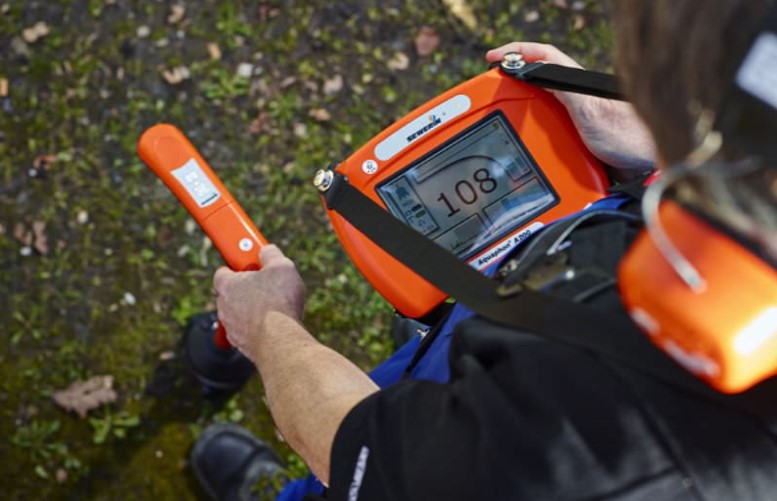
Pipes running beneath your home’s concrete slab foundation are completely out of sight, making leaks there nearly impossible to find on your own. You might notice subtle signs like warm spots on the floor, the faint sound of running water when all taps are off, or new cracks appearing in your walls. These are red flags for a concrete slab leak, a serious issue that can erode the soil supporting your home and compromise its structural integrity. Delaying a professional diagnosis can lead to severe foundation damage. Experts use sophisticated tools like acoustic sensors to listen for the specific sound frequencies of water escaping a pipe under pressure, pinpointing the problem without destructive digging.
2. Underground Irrigation System Leaks
A lush, green landscape is a point of pride for many Washington homeowners, but a hidden leak in your irrigation system can turn it into a source of massive water waste. Since these lines are buried, a break might not create an obvious geyser. Instead, you may see soggy patches in the lawn, areas of unusually vibrant grass, or a gradual drop in water pressure at the sprinkler heads. These subtle clues often point to an underground break that wastes thousands of gallons of water. Professionals in irrigation leak detection utilize specialized pressure testing and tracer gas methods to find the exact location of the breach without excavating your entire yard.
3. Warm Spots, Noisy Pipes & Hidden Indoor Supply Line Failures
Have you noticed a musty smell you can’t trace, peeling paint, or a wall that feels damp or cool to the touch? These are classic signs of a hidden water leak behind a wall or under your floorboards. Similarly, strange sounds like hissing or dripping from within the walls when water isn’t running can signal a supply line failure. Ignoring these signs allows moisture to build up, leading to wood rot, structural damage, and mold growth that can affect your family’s health. Professional services employ infrared leak detection, using thermal cameras to see temperature anomalies caused by moisture hidden from the naked eye. This non-invasive leak detection technology maps the leak’s extent without tearing down walls.
4. Unexplained Water Meter Movement
A savvy homeowner might conduct a DIY meter test: turn off all water-using appliances and check the meter. If the dial is still spinning, you’ve confirmed a leak somewhere on your property. This is a great first step, but it doesn’t tell you *where* the leak is. Is it under the slab? In the main service line buried in your yard? Somewhere in the walls? Guessing can lead to costly and unnecessary digging. A professional can take this initial clue and use advanced tools like ground-penetrating radar or tracer gas to follow the water line and pinpoint the exact source of the problem, ensuring a precise and efficient repair. This is especially important for locating both plastic and copper water lines accurately.
5. Recurring High Water Bills After “Fixing” Visible Leaks
It’s a frustrating scenario: you find and fix a dripping faucet or a running toilet, but your next water bill is still shockingly high. This often means the leak you fixed wasn’t the only one—or even the main one. A persistent spike in your bill points to a secondary or more significant hidden leak that DIY methods simply can’t find. Instead of playing a guessing game, a professional diagnosis is the most cost-effective next step. Technicians use a combination of leak detection technologies—acoustic, thermal, and tracer gas—to perform a comprehensive assessment of your entire plumbing system and identify all leak points, saving you money and stress in the long run.
Did You Know?
- A single, slow drip can waste over 3,000 gallons of water per year.
- Some advanced acoustic leak detectors can hear the sound of water escaping a pipe buried several feet underground.
- Tracer gas used for leak detection is a harmless mixture of hydrogen and nitrogen, which is lighter than air and can permeate through soil, concrete, and asphalt, making it highly effective for finding tough-to-reach leaks.
Your Local Washington Leak Detection Experts
Here in Washington, our diverse terrain and weather patterns can put unique stresses on plumbing systems. From the shifting soils in some areas to the age of plumbing in historic homes across Whatcom, Skagit, and Snohomish counties, the potential for hidden leaks is ever-present. Waiting for visible damage is a costly gamble. Proactive, professional leak detection in Washington is the smartest way to protect your property’s value and avoid the headache of emergency repairs. Whether you’re in Bellingham, Everett, or on Whidbey Island, having a trusted expert is essential.
Don’t Let a Hidden Leak Become a Disaster
If you suspect a hidden leak, don’t wait for the damage to become visible. Action Leak Detection uses state-of-the-art, non-invasive technology to pinpoint the exact source of your water leak, saving you time, money, and unnecessary destruction to your property.
Frequently Asked Questions (FAQ)
Q: How can I tell the difference between a minor issue and a serious hidden leak?
A: While you can fix a dripping faucet yourself, signs of a more serious hidden leak include a sudden and sustained increase in your water bill, warm spots on the floor, moldy odors, sounds of running water inside walls, or a spinning water meter when all fixtures are off. If you notice any of these, it’s time to call a professional.
Q: Is non-invasive leak detection truly damage-free?
A: Yes, the goal of non-invasive methods is to locate the leak without any destruction. Technologies like thermal imaging, acoustic listening devices, and tracer gas allow technicians to find the precise location of a leak from the surface. This means no unnecessary digging or breaking through walls, which saves you significant repair costs.
Q: How long does a professional leak detection service take?
A: The duration depends on the complexity of the issue and the size of the property. However, most residential leak detections can be completed within a few hours. The advanced technology used by professionals significantly speeds up the process compared to traditional, destructive methods.
Q: Can you find leaks in any type of pipe material?
A: Yes. Modern leak detection equipment is versatile and can locate leaks in a wide variety of pipe materials, including PVC, copper, galvanized steel, and PEX. Different techniques are suited for different materials and situations, which is why a professional assessment is so valuable.
Glossary of Terms
Acoustic Leak Detection
A non-invasive method that uses highly sensitive microphones to listen for the specific sounds or acoustic signatures created by water escaping from a pressurized pipe.
Infrared (Thermal) Imaging
A technology that uses a camera to detect minute temperature differences on a surface. When water leaks, it often cools or heats the surrounding material (due to evaporation or the water’s temperature), creating a thermal anomaly visible on the camera.
Slab Leak
A leak that occurs in a water line located beneath the concrete foundation (or “slab”) of a building. These are particularly dangerous as they can go undetected for a long time and cause significant structural damage.
Tracer Gas
A safe, non-toxic gas (typically a mix of hydrogen and nitrogen) that is injected into a drained pipe system. The gas is lighter than air and escapes through the leak, rising to the surface where it can be identified by a sensitive detector, thus pinpointing the leak’s location.