Beyond a High Water Bill: Protecting Our Local Environment from Hidden Plumbing Issues
In Washington, we cherish our lush green landscapes, from the dense forests of the Cascades to the vibrant gardens in our own backyards. But an invisible threat lurks beneath the surface that can harm this delicate balance: undetected water leaks. While many homeowners associate leaks with property damage and high utility bills, the environmental consequences are just as significant, impacting our soil, trees, and vital water resources. Understanding this connection is the first step toward responsible property ownership and environmental stewardship.
How Leaking Pipes Disrupt the Natural Ground Beneath Us
An underground water leak is more than just wasted water; it’s a constant, artificial alteration of the local environment. When treated water seeps into the ground 24/7, it sets off a chain reaction of negative effects that can cause lasting damage.
Soil Destabilization and Erosion
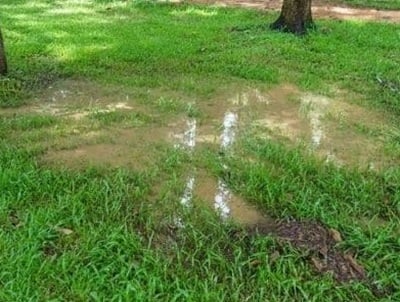
Washington’s soil structures are accustomed to natural rainfall cycles. A persistent leak creates a state of chronic oversaturation. This waterlogged soil loses its cohesive strength, making it spongy and unstable. On sloped properties, a common feature in areas from Bellingham to Everett, this can increase the risk of localized erosion or even small-scale landslides, washing away valuable topsoil and nutrients.
Harm to Trees and Native Plants
While plants need water, too much of a good thing can be fatal. Constant soil saturation from an underground leak can drown plant roots, leading to root rot. This fungal disease suffocates the root system, preventing it from absorbing oxygen and nutrients. Furthermore, the chlorine and other chemicals used to treat our drinking water are foreign to the soil’s microbiome. Over time, these chemicals can harm beneficial microorganisms and alter soil pH, stressing and potentially killing established trees, shrubs, and gardens.
Contamination of the Water Table and Runoff
A significant leak can eventually make its way down to the local water table, artificially raising its level and introducing treated water into natural aquifers. More immediately, this excess water contributes to surface runoff. As it flows across lawns, driveways, and streets, it picks up pesticides, fertilizers, oil, and other pollutants, carrying them directly into storm drains that often lead to our local streams, lakes, and Puget Sound. This poses a threat to sensitive aquatic ecosystems.
Did You Know?
- A leak the size of a pinhead can waste over 300,000 gallons of water in a single year—enough to fill more than 20 average-sized swimming pools.
- Saturated soil around your home’s foundation can cause it to shift or crack, leading to serious structural problems. This makes early slab leak detection crucial for both your property’s integrity and the environment.
- Untreated leaks from irrigation systems on large properties like golf courses or farms can lead to massive water loss and environmental disruption. Specialized irrigation leak detection is vital for conservation.
The Eco-Friendly Solution: Non-Invasive Leak Detection
Traditional leak detection methods often involve extensive excavation, or “trenching,” to find the source of the problem. This approach not only destroys your landscaping but also causes further environmental disruption by disturbing soil layers, harming root systems, and increasing erosion potential.
Modern, non-invasive leak detection is the environmentally responsible alternative. At Action Leak Detection, we use advanced technologies that allow us to pinpoint the exact location of a leak without destructive digging. These methods include:
- Acoustic Detection: Highly sensitive electronic microphones listen for the specific sound frequencies of water escaping a pressurized pipe.
- Tracer Gas: A safe, non-toxic gas is introduced into the pipe system. Its molecules are smaller than water and escape through the leak, rising to the surface where a sensor can detect them.
- Infrared Thermography: On certain surfaces like concrete slabs, infrared cameras can detect the subtle temperature differences caused by water leaking underground.
By using these precise techniques, we protect your property and the surrounding ecosystem from unnecessary damage. It’s the smartest way to address hidden water leaks, saving water, preserving your landscape, and preventing further environmental harm.
Your Local Partner in Protecting Washington’s Environment
From the island communities of Whidbey and Lopez to the mainland cities of Mount Vernon and beyond, every property is part of a larger ecosystem. Responsible water management starts at home. By being vigilant for signs of leaks and choosing environmentally friendly detection methods, you contribute to the health and preservation of our beautiful corner of the Pacific Northwest. Our expert leak detection services are available throughout Whatcom, Skagit, and Snohomish counties to help you protect both your investment and our shared environment.
Suspect a Leak? Act Now.
Don’t let a hidden leak damage your property and the local Washington environment. Our 24/7 non-invasive leak detection services provide fast, accurate, and eco-friendly solutions.
Frequently Asked Questions
How much water can a small underground leak really waste?
Even a tiny leak, about 1/32nd of an inch in diameter, can waste over 6,000 gallons of water per month. That’s a significant amount of treated water seeping into the ground, impacting both your bill and the local environment.
Are the chemicals in tap water harmful to my yard?
While safe for human consumption, the chlorine used to treat municipal water can be detrimental to the delicate ecosystem of your soil. It can harm beneficial microbes that help plants absorb nutrients, leading to stressed or unhealthy vegetation over time.
How does non-invasive leak detection help the environment?
By pinpointing leaks without digging, non-invasive methods prevent the widespread disruption caused by excavation. This preserves your landscape, protects plant root systems, prevents soil erosion, and reduces the carbon footprint associated with heavy machinery and restoration work.
What is the first step I should take if I suspect an underground leak?
The first step is to confirm your suspicion by checking your water meter. Turn off all water inside and outside your property, then watch the meter. if it’s still moving, you likely have a leak. The next step is to call a professional service like Action Leak Detection to locate it accurately and without damage. Before any digging begins for a repair, a professional water line locating service is also recommended.